Backhoe Loader for Sale in DRC

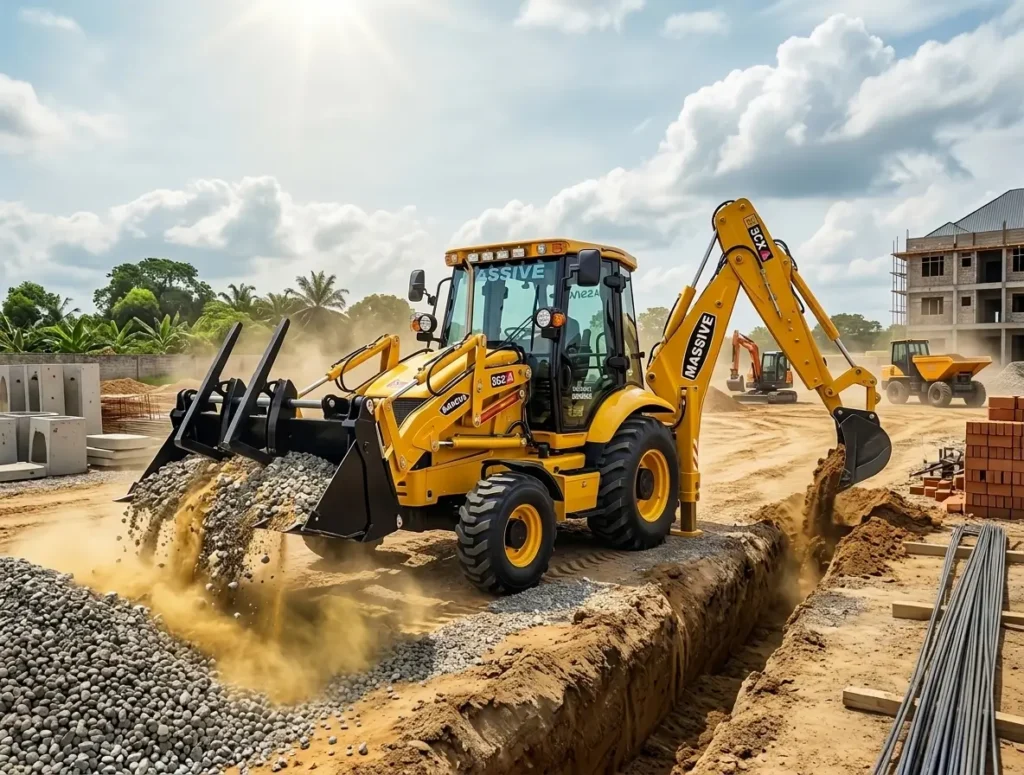
Tractor Provider DRC supplies the Massive 3CX Backhoe Loader, a versatile machine built for construction, excavation, and site preparation across the Democratic Republic of Congo. Combining the strength of a tractor, front loader, and rear backhoe in one unit, it’s designed to handle demanding jobs with precision and reliability.
Backhoe Loader for sale in DRC

What Is a Backhoe Loader Used For?

A backhoe loader is a multi-purpose construction machine that digs, lifts, and moves materials on a single chassis. It performs tasks that would otherwise require several separate machines, making it a cost-effective choice for contractors and agricultural operators alike. Common applications include:

  • General Construction: Foundation work and site preparation
  • Demolition and Excavation: Breaking ground and clearing debris with power and accuracy
  • Landscaping: Moving soil, grading land, and preparing sites for landscaping projects
  • Road Work: Breaking asphalt, paving, and performing routine road maintenance

Why Choose the Massive 3CX Backhoe Loader?

The Massive 3CX is well suited for DRC job sites that demand both power and manoeuvrability. Massive is an emerging top brand in construction and agriculture machinery, and the 3CX reflects that growing reputation through dependable build quality and job-site versatility.

The 3CX can be paired with a wide range of attachments, including buckets, breakers, augers, and forks, allowing operators to customise the machine for specific tasks. This adaptability increases productivity, whether the job calls for heavy-duty excavation or lighter material handling.

For operators working in confined or variable terrain, Tractor Provider DRC also stocks the Massive 3CX Side Shift Backhoe Loader and the Massive 420 Backhoe Loader, giving buyers options across different sizes and weights depending on site requirements.

Where to Buy a Backhoe Loader in DRC

Tractor Provider DRC offers backhoe loaders for sale directly to contractors, construction firms, and agricultural businesses throughout the DRC. Full specifications and pricing for the Massive 3CX Backhoe Loader are available on the product page, with the complete backhoe loader range viewable on the Backhoe Loaders for Sale in DRC page.

Frequently Asked Questions

What attachments are compatible with the Massive 3CX Backhoe Loader?

The Massive 3CX supports a range of attachments, including buckets, breakers, augers, and forks, allowing it to be configured for excavation, demolition, or material handling tasks.

Is the Massive 3CX suitable for small or confined job sites?

Yes. Tractor Provider DRC also stocks the Massive 3CX Side Shift model, which offers improved manoeuvrability for sites where a standard backhoe loader isn’t practical.

How do I get pricing for a backhoe loader in DRC?

Contact Tractor Provider DRC directly through their website or WhatsApp to request current pricing and availability for the Massive 3CX Backhoe Loader.
Massive MFT 4160 G4 Tractor for Sale in DRC 

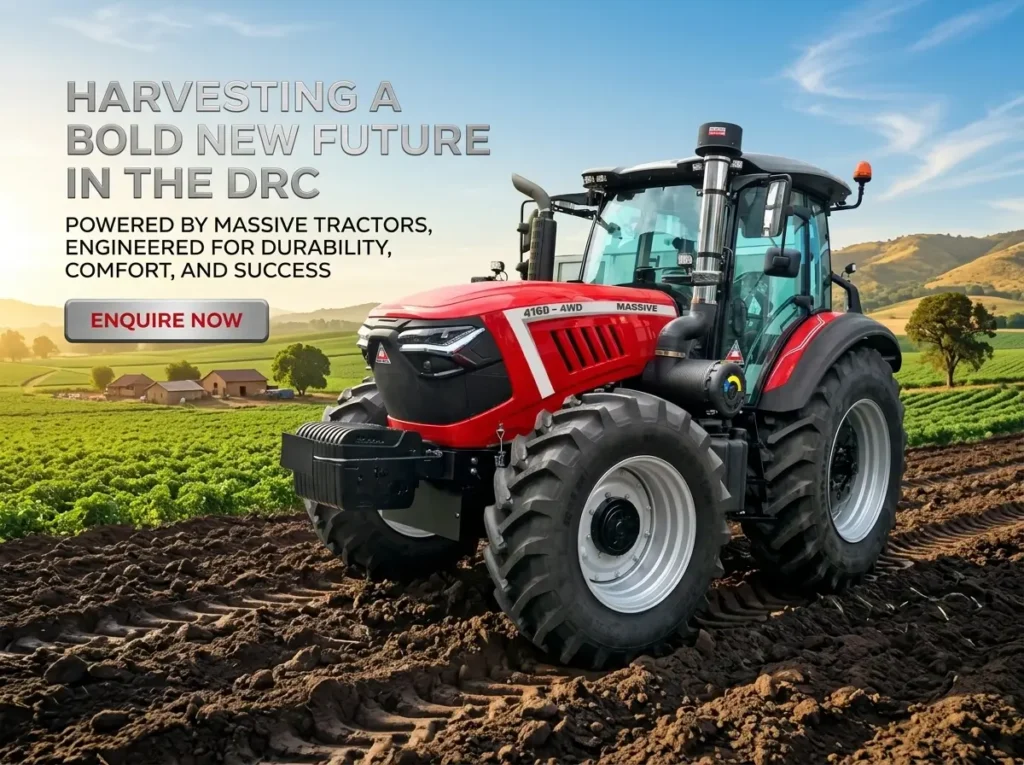
Massive MFT 4160 G4 is a brand new, 160 HP, 4WD tractor available for sale in the Democratic Republic of Congo through Tractor Provider. Built for heavy-duty agricultural work, the MFT 4160 G4 combines a powerful 6-cylinder engine, manual transmission, and an air-conditioned cabin to deliver reliable performance across large-scale farming operations.

Massive MFT 4160 G4 Tractor for Sale in DRC

What Makes the Massive MFT 4160 G4 the Right Tractor for DRC Farmers? 

When the workload grows, you need a tractor that grows with it. The Massive MFT 4160 G4 brings serious horsepower and rugged build quality to every task, from heavy ploughing to running large implements across wide acreages. Designed for farmers who push their machines hard, this tractor keeps performing when the pressure is on. 

Powerful, hard-pulling engine. The Massive MFT 4160 G4 delivers strong torque for demanding fieldwork, so operators handle tough soil and heavy loads with confidence and speed. 

Built to last. A robust frame and quality components stand up to long hours and harsh conditions, cutting downtime and keeping maintenance costs manageable. 

Comfortable, controlled operation. A practical operator layout and responsive controls reduce fatigue, helping operators stay sharp through long working days in the field. 

Versatile across the farm. From arable ground to livestock and contracting work, the MFT 4160 G4 pairs with a wide range of implements to suit whatever the day brings. 

Massive MFT 4160 G4 Specifications 

Specification Detail 
Model Massive MFT 4160 G4 4WD 
Condition Brand New 
Horsepower 160 HP 
Cylinders 6 
Engine Rated Speed 2,200 r/min 
Transmission Manual 
Wheel Drive 4WD 
Max Lifting Force 40 kN 
Max Speed 38.5 km/h 
Colour Red 
Cabin With Air Conditioning 
Year 2026 

Who Is the Massive MFT 4160 G4 Built For? 

The Massive MFT 4160 G4 is ideal for working farmers, agricultural businesses, and contractors in the DRC who need extra power and dependable performance for large-scale, heavy-duty tasks. The tractor suits operators managing challenging terrain and long field days where reliability cannot be compromised. 

Buy the Massive MFT 4160 G4 in DRC with Confidence 

Tractor Provider is a trusted source for the Massive MFT 4160 G4 tractor in the DRC, offering expert support and honest advice to match buyers with the right machine. Contact Tractor Provider today to enquire about stock availability and pricing.

Frequently Asked Questions 

What horsepower does the Massive MFT 4160 G4 produce?

The Massive MFT 4160 G4 produces 160 HP, delivered through a 6-cylinder engine running at a rated speed of 2,200 r/min, making it suitable for heavy ploughing and large-implement operations. 

Does the Massive MFT 4160 G4 come with a cabin? 

Yes, the Massive MFT 4160 G4 comes standard with an air-conditioned cabin, improving operator comfort during long working days in hot or demanding conditions. 

Can I buy the Massive MFT 4160 G4 in the Democratic Republic of Congo? 

Yes, the Massive MFT 4160 G4 is available for sale in the DRC through Tractor Provider. Buyers can submit an enquiry directly through the Tractor Provider website to confirm stock and arrange purchase.

2WD vs 4WD Tractors: Which Is Better for DRC Conditions?

For most farms in the Democratic Republic of the Congo, a 4WD tractor is the better choice because it handles muddy, hilly, and uneven terrain far more reliably than a 2WD model. However, 2WD tractors remain a cost-effective option for farmers working flat, dry land with lighter soil types. The right choice ultimately depends on your farm’s terrain, soil conditions, and budget.

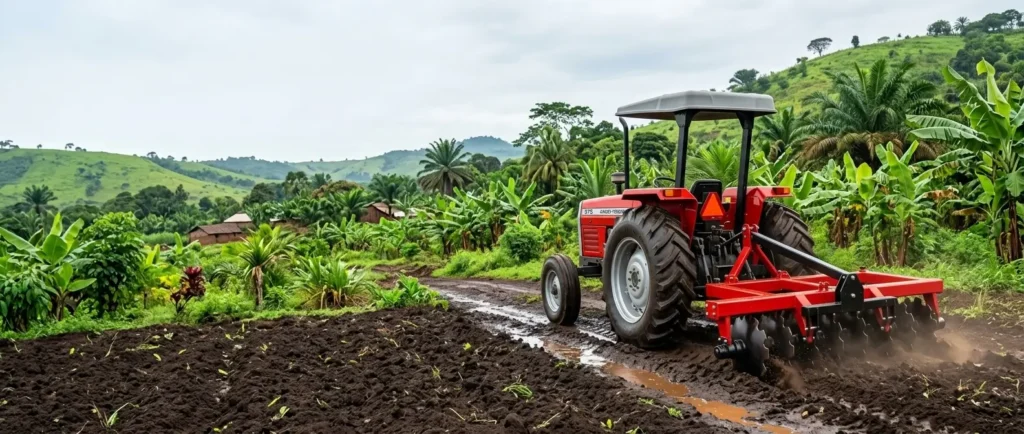
Red tractor with a tiller plows a muddy field in a tropical farm, banana trees and hills in the background.

What Is the Difference Between 2WD and 4WD Tractors?

A 2WD (two-wheel drive) tractor only powers its rear wheels, while a 4WD (four-wheel drive) tractor powers all four wheels simultaneously. This difference in power distribution directly affects traction, stability, and performance across different ground conditions—a critical factor for farmers operating in the DRC’s varied terrain.

Why Terrain Matters When Choosing a Tractor in DRC

The DRC’s agricultural regions include a mix of rainforest clearings, hilly plateaus, and seasonally wet lowlands. These conditions often produce soft, muddy, or sloped ground, particularly during the rainy season.

  • 4WD tractors distribute power across all four wheels, reducing wheel-slip and improving grip on muddy or uneven ground.
  • 2WD tractors can struggle in wet or loose soil, as power is concentrated on the rear wheels only, increasing the risk of getting stuck.

For farmers working in hilly or rain-affected regions of the DRC, a 4WD tractor is generally better suited to maintaining consistent traction and productivity year-round.

Is a 2WD Tractor Still a Good Option for DRC Farmers?

Yes—2WD tractors are better suited for farms with flat, firm, and well-drained land, where the extra traction of a 4WD system isn’t essential. They are typically more affordable to purchase and maintain, making them a practical option for smaller-scale farmers or those with tighter budgets. Models like the Massey Ferguson MF-135 and MF-165, both available through Tractor Provider, are reliable examples of dependable 2WD tractors suited to lighter workloads.

Cost Comparison: 2WD vs 4WD Tractors

  • 2WD tractors: Lower upfront cost, simpler mechanics, cheaper parts and maintenance.
  • 4WD tractors: Higher upfront investment, but improved traction can reduce downtime and repair costs caused by wheel-slip damage or getting stuck in difficult terrain.

Farmers should weigh the long-term productivity gains of 4WD against the lower initial cost of 2WD when budgeting for new machinery.

Which Tractor Type Does Tractor Provider Recommend for DRC Farms?

Tractor Provider recommends 4WD models—such as the Massive 290 4WD Tractor or Massey Ferguson MF-6120/4WD—for farmers working on hilly, wet, or inconsistent terrain, which describes much of the DRC’s farmland. For farms on flatter, drier ground, 2WD models offer excellent value without sacrificing reliability. Explore the full range of tractors available in the DRC to compare models suited to your specific farm conditions.

Frequently Asked Questions

Can a 2WD tractor be converted to 4WD?

No, 2WD and 4WD tractors have fundamentally different drivetrain systems, so conversion isn’t practical or cost-effective. It’s best to select the right drivetrain at the point of purchase based on your farm’s terrain.

Do 4WD tractors use more fuel than 2WD tractors?

Generally, yes—4WD tractors consume slightly more fuel due to powering all four wheels, but this is often offset by improved efficiency and reduced wheel-slip in difficult conditions.

Are used 4WD tractors available in the DRC?

Yes, Tractor Provider stocks both new and used 4WD tractors, including Kubota and Massey Ferguson models, offering a more budget-friendly way to access 4WD capability.

Agricultural Machinery in the DRC: Powering the Future of Farming

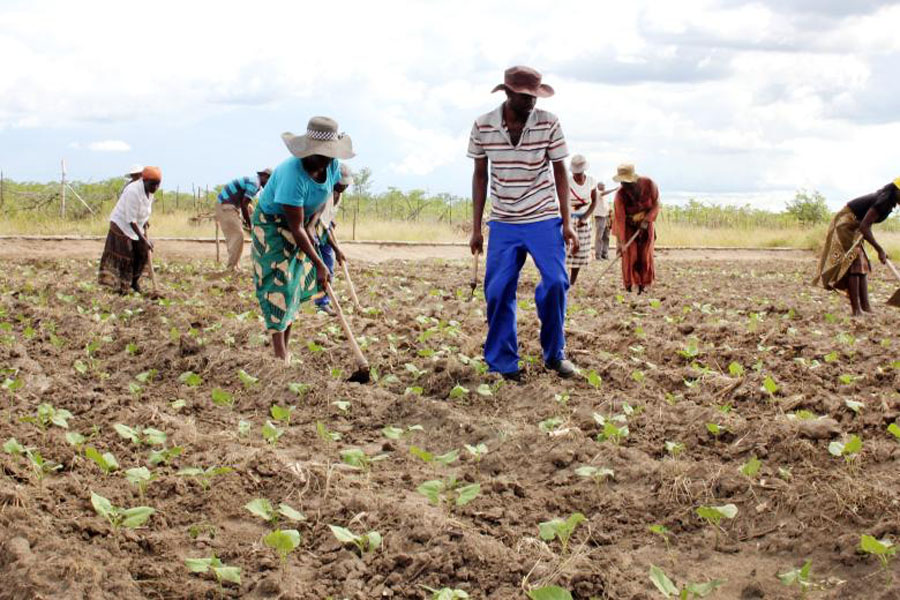
Agricultural machinery is transforming farming in the Democratic Republic of Congo by helping farmers cover more ground, cut labour costs and boost harvest volumes. Tractor Provider supplies new and used tractors, combine harvesters and farm implements suited to conditions across the country.

The Democratic Republic of Congo holds some of the most fertile land on the planet. With over 80 million hectares of arable soil, the country has the potential to feed much of the continent. Yet a vast gap remains between what’s possible and what’s reality. One of the biggest reasons? Limited access to modern agricultural machinery.

Agricultural Machinery in the DRC

If you farm in the DRC, you already know how much the right equipment can change your season. The difference between hand tools and a reliable tractor isn’t just convenience. It’s the difference between surviving and thriving. Here’s why machinery matters, and how Tractor Provider is helping Congolese farmers bridge that gap.

Why does modern farming equipment matter in the DRC?

Modern equipment matters because it lets farmers plant and harvest faster, reduce physical strain, cut labour costs and increase yields season after season. Agriculture employs the majority of Congolese workers, yet much of the farming still depends on manual labour and basic hand tools. This keeps yields low, limits the scale of production, and leaves farmers vulnerable to missed planting windows and spoiled harvests.

Tractors, harvesters and ploughs help farmers cover far more ground in less time. When you have the right tools, even a modest plot can become a productive, profitable operation.

What is the real cost of farming without proper machinery?

Farming by hand slows production, drives up labour demands and caps yields at subsistence levels. Working the land without machinery comes with serious consequences:

  • Slow planting and harvesting leads to missed growing windows and wasted crops
  • High labour demands put enormous strain on family and community resources
  • Limited scale makes it nearly impossible to grow beyond subsistence farming
  • Poor soil preparation reduces crop quality, consistency, and overall yield

Without the right equipment, even the most fertile soil in the world cannot reach its full potential.

What does Tractor Provider offer farmers in the DRC?

Tractor Provider supplies a wide range of machinery and equipment suited to the diverse conditions found across the DRC, from open savannah to rolling highland farms. Whether you manage a small family plot or a large commercial operation, our lineup has you covered.

Tractors

  • Massey Ferguson Tractors: 50–85 hp, available brand new and refurbished
  • Used Japanese Massey Ferguson Tractors: 45–105 hp, reliable and cost-effective
  • New Holland Tractors: 50–85 hp, built for demanding terrain
  • Massive Tractors: 50–100 hp, ideal for heavy-duty farm work
  • Hand Tractors: available in 2WD and 4WD with a full range of attachments, perfect for smaller plots and tighter spaces

Harvesting

Combine Harvesters: both brand new and used models available to suit different budgets and scales of operation

Access to quality spare parts is just as important as the machinery itself. In remote farming areas, minimising downtime can make or break a harvest season. That’s why we stock a comprehensive range of farm implements and parts to keep your equipment running when it matters most.

Frequently asked questions

Can I buy used tractors in the DRC?

Yes. Tractor Provider stocks used Japanese Massey Ferguson tractors from 45–105 hp, as well as other second-hand models. For many farmers, a quality used tractor is a more cost-effective way to access modern agricultural machinery without the price of a brand-new unit.

Does Tractor Provider deliver to the DRC?

Yes. Tractor Provider ships machinery directly to farmers across the Democratic Republic of Congo. Contact the sales team via WhatsApp or the online form to confirm shipping methods and receive a full price list.

Which tractor is best for a small farm in the DRC?

Hand tractors, available in 2WD and 4WD with a full range of attachments, are ideal for smaller plots and tighter spaces. For farmers ready to scale up, compact Massey Ferguson or New Holland tractors in the 50 hp range offer more power while remaining manageable.

Tractor Dealers in DRC

Agriculture has changed greatly since the first tractors appeared in the late nineteenth and early twentieth centuries. Before tractors, most farm work depended on animal power and heavy manual labor. This limited how much land farmers could prepare and how quickly they could plant or harvest. The arrival of tractors transformed farming by improving speed, reducing labor demands, and helping farmers increase productivity. Over time, tractors became a key part of modern agriculture across the world, including in Africa, where mechanization continues to support food production and rural development.

In the Democratic Republic of Congo, the need for reliable agricultural machinery is growing as farmers look for better ways to improve efficiency and expand output. This is why trusted Tractor Dealers in DRC play such an important role. Farmers, agribusiness owners, and contractors need machines that can handle different field conditions while remaining durable and cost-effective. Choosing the right supplier can make a real difference in daily operations and long-term farm success.

One name that stands out in this market is Tractor Provider, a Japanese-based company known for supplying high-quality tractors and farm equipment. Its focus on dependable machinery makes it a strong option for buyers seeking performance, value, and long service life. For farmers in Congo, working with a supplier linked to Japanese standards of quality can provide added confidence when investing in essential equipment. This reputation for reliability is especially important where machinery must perform well under demanding agricultural conditions.

Tractor Provider offers a broad range of products for the Congolese market. Among the main tractor brands available are Massey Ferguson, New Holland, and Kubota. These brands are well known worldwide for quality engineering and practical performance. Massey Ferguson tractors are valued for strength, versatility, and ease of use, making them suitable for many farming tasks. New Holland tractors are recognised for modern technology, operator comfort, and efficient field performance. Kubota tractors are popular for their compact design, fuel efficiency, and reliability, especially for small to medium-sized farms.

Beyond tractors, the company also provides a variety of implements to support complete farm operations. These include farm tools and attachments designed for land preparation, planting, and other agricultural tasks. Farm implements are essential because a tractor becomes far more useful when matched with the right equipment for specific needs. This makes Tractor Provider more than just one of the leading farm equipment suppliers; it is a practical source for complete mechanized farming solutions.

For buyers searching online for agricultural machinery Congo, or dependable Tractor Dealers in DRC, Tractor Provider meets key market needs. Its product range supports farmers who want proven brands, strong machinery, and equipment suited to improving farm productivity. In a country where agriculture holds major economic importance, access to reliable tractors and implements can help reduce manual effort, save time, and increase yields.

As farming in the DRC continues to modernize, demand for trusted agricultural machinery Congo suppliers will keep rising. Tractor Provider’s Japanese background, recognized tractor brands, and range of farm implements position it as a dependable partner for Congolese farmers who value reliability, efficiency, and long-term agricultural growth.

Tractors for Sale in DRC

Farmers and agricultural businesses across the Democratic Republic of the Congo need machinery that is dependable, practical, and suited to local farming demands. When looking for tractors for sale in DRC, buyers want strong performance, fair pricing, and access to the right equipment for every stage of farm work. Tractor Provider DRC offers a broad selection of tractors, harvesters, and implements designed to support higher productivity and smoother field operations.

A Wide Variety of Tractors for Sale in DRC

One of the key advantages of buying from Tractor Provider DRC is the wide horsepower range available. The company offers tractors from 20hp to 110hp, making it easier for farmers to choose a machine that fits the size of their land and the type of work they do. Smaller tractors are suitable for light-duty jobs, horticulture, and small farms, while higher-horsepower models can handle ploughing, cultivation, hauling, and other demanding field tasks. This variety helps farmers invest in equipment that matches both their workload and budget.

Trusted Tractor Dealers in DRC

Tractor Provider has built a strong reputation as a trusted tractor dealer in DRC by supplying both new and used agricultural machinery. The company is known for offering reliable service, quality stock, and support for farmers who need guidance before making a purchase. From product selection to delivery, Tractor Provider focuses on helping customers find the right machine for their needs. Its growing reputation comes from consistent service, dependable equipment, and a clear understanding of African farming requirements.

Diverse Tractor Models in DRC

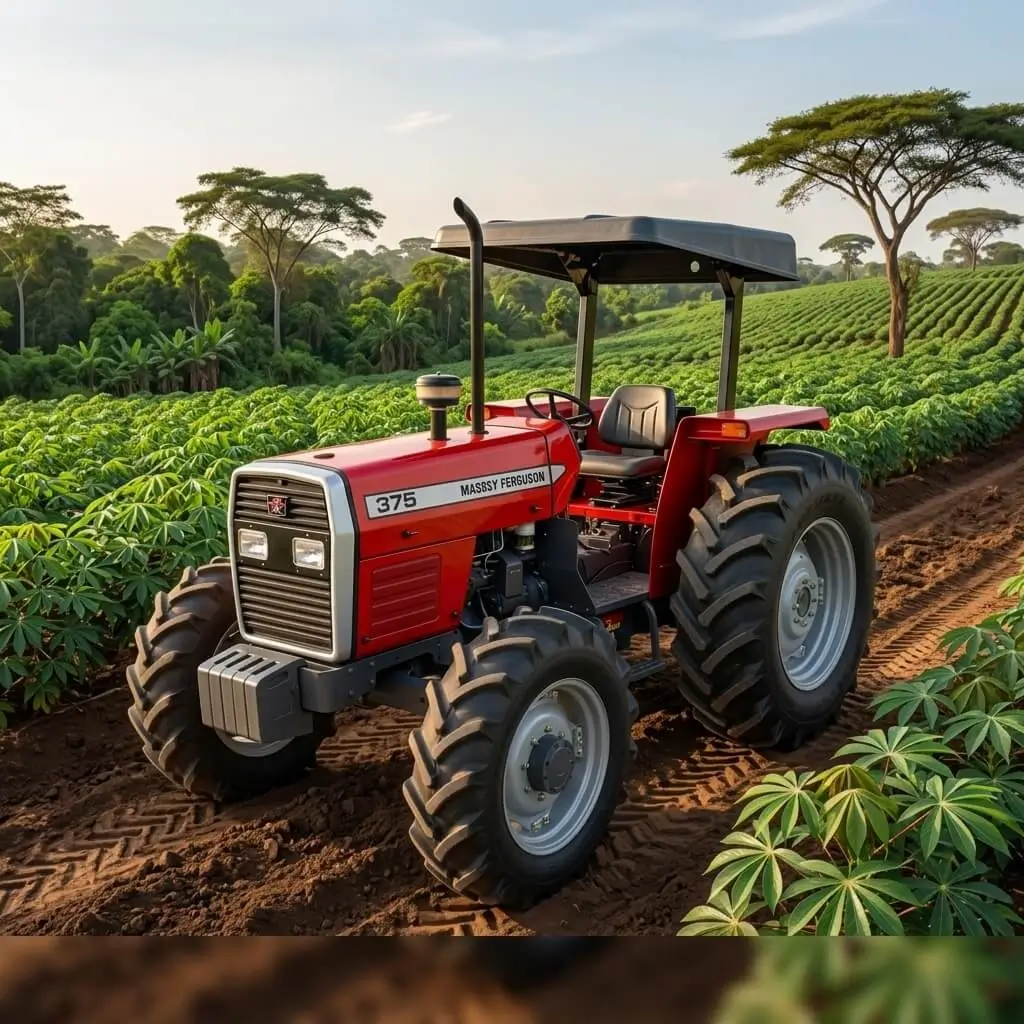
Farmers in DRC can choose from several well-known tractor brands through Tractor Provider. The available range includes Massey Ferguson, New Holland, Massive, and Kubota models. Popular Massey Ferguson options include the MF 240, MF 260, MF 375, and MF 385. New Holland models such as the 640, 70-56, 480S, and Ghazi are also available. Massive tractors include models like the 240S, 265, 275, and 290 4WD. Buyers can also find Kubota tractors, including Japanese used options that suit lighter and medium-duty agricultural work.

Affordable Tractor Prices in DRC

Affordability is a major factor for many buyers in the DRC. Tractor Provider meets this need by offering both brand-new tractors and Japanese used tractors at competitive prices. New tractors appeal to farmers seeking modern features and long-term value, while reconditioned and Japanese used tractors provide a cost-effective solution for those who want reliable machinery at a lower price point. This flexible pricing approach allows more farmers and agricultural businesses to access mechanised farming without overspending.

Essential Tractor Equipment in DRC

A tractor becomes even more useful when paired with the right implements. Tractor Provider DRC supplies essential farm equipment such as disc ploughs, disc harrows, farm trailers, border discs, chisel ploughs, fertiliser spreaders, and jib cranes. These implements help farmers prepare soil, transport materials, improve planting efficiency, and manage daily farm tasks more effectively.

Why Choose Tractor Provider DRC?

Tractor Provider DRC stands out because it combines variety, affordability, and dependable customer support in one place. With tractors from 20hp to 110hp, trusted global brands, Japanese used options, and a wide range of farm implements, the company offers practical solutions for modern farming in the DRC. For farmers who want reliable machinery and better productivity, Tractor Provider DRC is a strong choice..

Private Sector Participation in DRC Agriculture

Developing markets in the Democratic Republic of the Congo (DRC) should prioritize three industries: horticulture, livestock, and fisheries, for supplying fast-growing urban markets and a well-established agricultural system with large tracts of land on which established players in need of financial and technical assistance can grow food for domestic consumption. Competitive domestic or limited export markets for cash crops are possible. The development of more than 50,000 acres of land already owned by current corporate companies is being slowed by a lack of financial and technical assistance and collaborations, despite recent improvements in river and road connections. In the short term, the development would generate thousands of much-needed jobs, while in the long run, it could lead to the creation of out-grower schemes, improve the quality of life for residents of some of the poorest areas by allowing major players to invest in and deliver higher-quality health and education services.

Reform and Promote Private Participation in Key Sectors

Significant gaps exist in the delivery of essential infrastructure, and not all of them can be closed quickly. The Democratic Republic of the Congo’s access to global markets is greatly hampered by the fact that transportation expenses keep whole areas mired in poverty. For example, shipping costs are much higher than in other nations because goods must be transshipped from the deep-sea port to locations farther downstream on the Congo River. Despite having one of Africa’s most extensive rail networks, the rail freight industry in the Democratic Republic of the Congo has failed. From Kinshasa, you may only drive to six of the new province capitals. Maintenance issues in the logistics infrastructure severely restrict movement.

Liberalization of markets and a shrinking government have created opportunities for private enterprise. Through concessions for constructing roads and the port terminal and a rail concession on the Société Commerciale des Transports et des Ports (SCTP) network, the formerly cautious private sector has emerged as a supplier of infrastructure services. The business world wants to put down roots in high-growth areas. The private sector’s involvement has the potential to solve transportation issues, boost access to international markets, and lower the price of international trade for firms and consumers alike.

Private sector Participation in agriculture

Improved production systems for staple crops like cassava, rice, maize, soybeans, beans, and plantain are currently the focus of government efforts. This is in addition to efforts to strengthen the environmental structures for agricultural transformation in the DRC and to develop improved seed systems across the DRC through engagement with the public and private sectors. The government is also working to decrease reliance on food imports by increasing agro-industrialization and the value addition of key agricultural goods. Because of the enhanced financial possibilities, private sector engagement and investment in DRC’s agricultural value chains will expand as a result of these government actions. This is encouraging news for the country’s agricultural revolution, which could ultimately result in a stronger economy.

In addition to that established private companies in the DRC, that deal in agricultural machinery and farm implements are the dominant force in the country’s agricultural machinery and mechanization market. Ploughs, harrows, planters, sprayers, and mills are just some of the farm implements that these businesses import and produce in the DRC. Middle-sized businesses also play a role in the agricultural machinery market. New agricultural machinery has been developed, while older machines have been updated and improved. Among these tools are tilling implements, irrigation machinery, and food-processing machines. Agricultural mechanization goes through rigorous testing for quality assurance.

Policy-making governance

Weak institutions and weak governance raise the risks and costs of doing business in the Democratic Republic of the Congo because private investors face a high degree of policy unpredictability. For instance, the 2011 Agricultural Law, which mandated that locals hold at least 51% of agricultural companies, was passed with little to no input from outsiders and ultimately halted FDI in the industry. It is very uncommon for ministries to adopt decrees that unfairly benefit some companies over others, for as by exempting them from paying import duties.

The Comité Technique des Réformes (CTR), an agency established by the Ministry of Finance with a solid track record and strong technical ability, should be fortified by the government to enhance policymaking governance. Priority reforms should be identified, drafted, and implemented under the CTR’s direction. It needs to push for more necessary changes, perform quality assurance by evaluating reform ideas, and aid in and keep tabs on the rollout of such reforms. As one of the most prominent tractor dealers in the DRC, Tractor Provider is well-positioned to contribute significantly to this cause. Those in need of high-quality Massey Ferguson tractors in DRC, New Holland tractors in DRC, farm implements in DRC and Kubota combine harvesters need not look any further than Tractor Provider . Tractor Provider DRC has risen to the top of the DRC’s tractor and agricultural machinery supplier rankings because of its high-quality, highly automated equipment and cutting-edge technologies. Tractor Provider’s goal is to raise harvest success rates in the DRC by importing cutting-edge agricultural machinery from Pakistan.

Food Security Crisis in the Democratic Republic of the Congo

A large number of people in the Democratic Republic of the Congo (DRC) are experiencing severe or acute food insecurity, making it the world’s worst food security catastrophe. There are places like the province of Tanganyika where food insecurity is so bad that famine and starvation-related fatalities are all but certain. The Democratic Republic of the Congo (DRC) has the worst food crisis in the world, according to the Food and Agriculture Organization (FAO). Only a fraction of the DRC’s cultivable land is now in use. This is problematic since the nation relies so heavily on food imports, and border restrictions caused by the epidemic have disrupted those supplies. However, this may pave the way for agricultural progress to quicken as a result.

Reasons for Food crisis

The food crisis in the DRC results from a number of interrelated causes. Violence and instability have isolated whole villages, causing a decline in agricultural output. The state of the world’s a transportation and communication networks is dismal. Many individuals are not getting the nutrients they need because of rising food costs and decreasing wages even in areas where food is not in short supply. As the nation has been in the midst of a complicated and prolonged crisis for nearly two decades, COVID-19 has only served to compound the devastation caused by natural catastrophes. The local currency has plummeted and millions of people have lost their employment, particularly those in the informal sector, as a result of the outbreak and the efforts to control it. Farmers’ ability to access inputs and markets has been hampered, productivity has dropped, and crops and animals have been wiped off owing to a combination of causes including the aftermath of the coronavirus and insecurity.

Activities to cope with the challenge of the Food security crisis

Many initiatives are in progress to address food insecurity over the long term. In order to safeguard smallholder farmers from losses caused by weather-related shocks, WFP is cooperating with the World Bank to implement the DRC’s 15-year National Program for Agricultural Development. Farmers in DRC are especially sensitive to climate changes and other external shocks like droughts, floods, worm and locust infestations because of their extreme poverty and remoteness. The R4 Rural Resilience Initiative is the flagship strategy for integrated climate-risk management that WFP uses to assist smallholder farmers to become more resilient to climate threats. The DRC government and insurance industry are in the process of developing a sustainable agricultural index insurance plan, and the WFP is helping them do so by providing agricultural machinery and technical support.

The program’s overarching goals are to reduce gender inequality and empower women by supporting smallholder farmers engaged in family farming as they transition to a market-oriented form of agriculture; to do so, they will build the skills of small farmers so that they can produce more food; to enhance their access to markets; and to store, transport, and sell their surplus at a profit. The majority of smallholder farmers accepted and applied better agricultural methods, such as the use of agricultural equipment and tractors, as a consequence of Farmer Field Schools being set up. Warehouses, marketplaces, literacy centers, and drainage scuppers are just some of the community assets that have benefited from the rehabilitated feeder road and increased smallholder output, decreased post-harvest losses, and increased market participation. All of these and other accomplishments were made possible by the efforts of the DRC government (particularly at the province and territory levels) and collaborating partners, such as national and international non-governmental organizations.

When confronted with threats to food security, the adaptability of farmers is an extremely important factor in the development of coping methods. The amount of socioeconomic opportunity they have available to them has a role in the degree to which they are able to adapt. A variety of organizations, including the government, Non-Governmental Organizations (NGOs), and private tractor dealers, such as Tractor Provider, one of the most successful tractor dealers in the DRC, collaborate to provide assistance. Examples of this type of assistance include the provision of coping strategies for communities, the provision of funding for research institutes to produce crop varieties, the provision of appropriate agricultural machinery, agricultural insurance, capacity-building for farmers, the provision of chances for a secure income, and the provision of credit and extension service, amongst other examples.

What might Tractor Provider DRC be capable of?

Tractor Provider DRC sells tractors, farm implements and agricultural machinery to farmers in the Democratic Republic of the Congo. This includes Massey Ferguson tractors in DRC, New Holland tractors in DRC, combine harvesters, and more. It is possible that smallholder farmers in DRC might profit from Tractor Provider’s capacity to provide tractors at lower pricing. The DRC-based firm Tractor Provider DRC offers reasonably priced tractors and other agricultural machinery to local farmers. These farmers in the DRC can now kick back and take satisfaction in their work, all thanks to Tractor Provider DRC.

Linking Remote Smallholder Farmers to Markets in DRC

The Democratic Republic of the Congo (DRC) has enormous untapped potential for domestic food production due to its large quantity of underutilized arable land, generally good weather and soil, and agro-climatology that permits several growing seasons. But the cultivation is constrained by weak regulatory frameworks, the limited reach of government policies and resources, obsolete technology, the absence of agricultural machinery, and the dominance of micro-scale subsistence farming in national food production. Many systemic and environmental factors prevent agriculture from reaching its full potential, including war and instability, low-quality seed and inputs, inefficient farming methods, limited land availability, limited access to credit and investment opportunities, pervasive plant disease, antiquated farming techniques, inefficient food distribution networks, and inadequate training and information for farmers. The vast bulk of agricultural output is generated via unofficial, low-volume practices. In order to maximize profits, commercial plantation agriculture was frequently used.

Transport Infrastructure in the DRC

Small-scale farmers who own relatively small plots of land or who rent from or participate in sharecropping with larger landowners produce the vast majority of the world’s basic foods. The poor condition of the roads along numerous key arteries is exacerbated by the heaviest rains. As a result, it is difficult and costly to transport items across the nation using motorized vehicles. In certain provinces, the national railway doesn’t even exist; therefore nobody uses it to move things or people. Product is often delivered by foot or bicycle from remote communities to urban hubs. Trucks originally built to carry just 4-8 metric tons (MT) are used for most commodity transport between market hubs; however, these trucks are often upgraded to carry 10-12 MT or even more.

Cities, which are the only realistic locations for storage because of their density and proximity to other people, are also the most strategic locations for border crossings. Storage facilities owned and operated by NGOs are sometimes located on the same premises as or very adjacent to the project headquarters in remoter regions. The private sector (merchants, transporters, and retailers) develops methods to circulate commodities despite difficulties in the local transport sector and local infrastructure. Although market integration is high, the movement of locally grown staples such as dry beans, potatoes, maize, and rice across provinces is restricted. Local food markets are often lively places, with many shoppers and vendors vying for wares throughout the day. Although they lack the resources to exercise market power as buyers or sellers, local producers and marketing groups like the Fédération des Entreprises du Congo (FEC) play crucial roles in the marketing of basic foods.

Linking remote DRC to markets

In the Democratic Republic of the Congo, commercial prospects along the banks of the Congo and Maringa Rivers were few after years of social unrest and civil strife. Sustainable agriculture practices were established, and farmers were given easier access to bigger, metropolitan markets in order to increase their incomes and help restore the forest’s environment. Therefore, in 2006, AWF initiated the Congo Shipping Project. Since then, the U.S. Agency for International Development (USAID)-provided tugboat M.B. Moise has transported manufactured commodities from Kinshasa into the countryside and agricultural products from the countryside back to Kinshasa.

From the most distant stops on the barge’s route to Kinshasa, more than 2,000 kilometers away, is more than three months of travel time. To get their products to market before the Congo Shipping Project, farmers would utilize improvised boats, putting them in danger from the river’s unpredictable currents and the elements. When transporting their harvests, they sometimes lost 30–40% of it.

More than a decade and a half later, when villages along the M.B. Moise’s path learn of the boat’s impending arrival, eleven makeshift marketplaces sprang up. The availability of the boat also allows for the purchase of salt, which is essential for the preservation of food. In addition, the Congo Shipping Project has helped raise revenue, which has had a significant influence on people’s lives, in tandem with AWF-supported agricultural improvement projects and the formation of farmer organizations.

From an economic standpoint, the Congo Shipping Project has been successful since it has given locals a means to increase their standard of living without negatively impacting the region’s precious natural resources. Now, more than a decade later, the initiative has shown that the trade route from Kinshasa into the furthest reaches of the Lomako environment is viable, and communities with access to markets and motivations to safeguard animals and land will continue to do so.

Mechanization’s Importance in Expanding Consumer Markets

With the right tractors, agricultural machinery, combine harvesters, etc., smallholder farmers in the DRC may increase their yields and have more access to markets. Tractor Provider is dedicated to assisting DRC farmers by providing access to affordable, high-quality agricultural machinery and tractors, such as Massey Ferguson tractors for sale and New Holland tractors for sale, as well as convenient financing alternatives. While the company’s main focus is on selling tractors, Tractor Provider also provides a wide selection of farm implements and agricultural services. Client happiness is a priority for them.

Providing Agricultural Inputs in the DRC

The growth of agriculture in the Democratic Republic of the Congo is primarily reliant on support from private sources. Despite this, the public sector has an important role to play in addressing pervasive market failures by providing assistance in the form of both investment and legislation. In line with the Sustainable Development Goals, we need to make sure there is food security and promote sustainable agriculture; the agricultural sector will need an enormous amount of additional funding for agricultural machinery and agricultural inputs (SDG). Public spending on farm development also remains low: since 2001, governments have spent, on average, a meager fraction of their central budgets on agriculture. Public expenditure on agriculture development also remains low.

The problem of Agricultural Input in DRC

Access to extension services, agricultural machinery and technology in rural regions is restricted at best, despite the fact that a lack of capacity and agricultural inputs are among the most significant barriers to agricultural growth in DRC. It would seem that the goals outlined in the government plan are not receiving the necessary amount of attention. The PNSD acknowledges that women make up the majority of smallholder farmers and farmers who practice subsistence agriculture, and it makes a plea for training and support services that are specifically tailored to meet their requirements. In a similar vein, the PNIA plans to provide assistance to rural women’s organizations and encourage their engagement in various sectoral processes. In the setting of significant gender disparities, it makes perfect sense to direct one’s attention to women.

Slow adoption of new agricultural machinery and technology, which have been important drivers of improved agricultural production and profitability in other settings, might be one explanation for stagnating agricultural productivity in DRC. Researchers from the World Bank and the Democratic Republic of the Congo’s Ministry of Agriculture are studying the effects of subsidizing the cost and availability of improved seeds on the adoption of these seeds by smallholder farmers, as well as on their short-term agricultural productivity and household welfare.

Policy Issue

Between 1960 and 2000, the Democratic Republic of the Congo had the lowest rise in agricultural yields of any area on the planet. This might be attributed to the region’s sluggish adoption of agricultural machinery, tractors, farm implements, contemporary agricultural technology, modern fertilizer, and better seeds, which have been important drivers of greater agricultural productivity and profitability in other emerging settings. Subsidizing modern agricultural gear and technology may be a beneficial technique for encouraging their adoption and increasing farm yields and profitability.

The Congolese government has recently sought to boost the use of modern inputs by supporting the production of enhanced seeds among chosen local farmers in order to expand the availability of such seeds in the area. Farmers in the area must be willing and able to spend money on these enhanced seeds for a private seed market to flourish.

Barriers to implementing government strategy

There have been difficulties in putting the government’s policy into action. Corruption and an incomplete decentralization plan have splintered the administrative side, leaving many initiatives uncoordinated. Officially, provincial governments have the authority to create agricultural provincial programs. But they do not have the manpower, infrastructure, or funding to make it happen. Investment and infrastructure projects are not sustainable with the current level of public funding, and they remain highly dependent on foreign aid. In addition, the security situation has made it difficult to access numerous areas of the nation.

Increased demand is anticipated for foreign financing, especially grants and highly concessional loans, to aid the agricultural and rural development sector. Reduced tax income and a reliance on foreign assistance mean that attempts to boost public support for the agricultural and rural development sector will continue to rely on external money. Requests from the government tend to center on grant funding and substantially subsidized lending products.

The federal government has made it clear that it would like development organizations to provide money based on what the government considers to be a priority. To get access to more adaptable and long-term financing, it is also making concerted efforts to combat corruption and restore confidence among development partners. As a result, disarray may be lessened, and cooperation may be enhanced.

Tractor Provider: a reliable tractor dealer in DRC

By continuing to deliver tractors and agricultural machinery to the Democratic Republic of the Congo, Tractor Provider has shown its dedication to the continent of Africa’s most populous country and its most vital economy. Tractor Provider has been proven right after delivering Massey Ferguson tractors for sale and New Holland tractors for sale to the DRC as part of a commercial arrangement, expanding the company’s credibility in yet another African market. Tractor Provider, a distributor of agricultural machinery in the DRC, sources their tractors and other agricultural machinery from Pakistan. The tractors and other agricultural machinery given by Tractor Provider will help local farmers and increase crop yields in the Democratic Republic of the Congo.